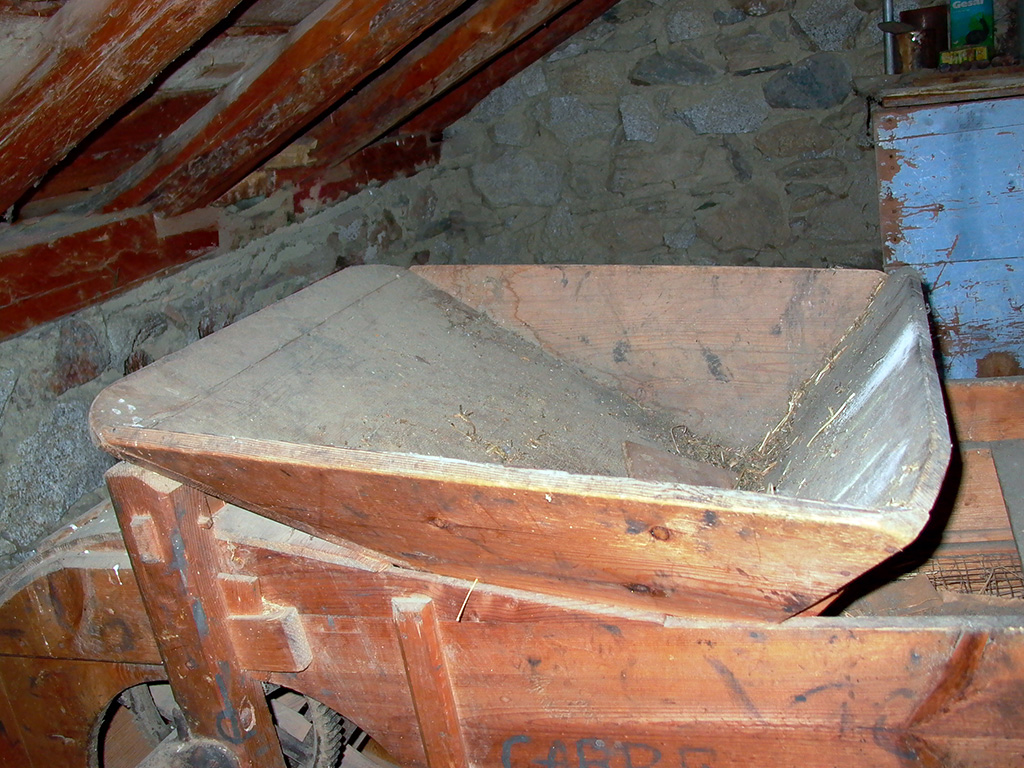
The winnowing machine provides a link to the world of Son before its economy came to depend on dairy farming. This transformation began in the 1970s with the creation of dairy cooperatives and the daily collection of fresh milk from villages across the Pyrenees. The landscape we see today, with its hay meadows and forests surrounding the village, is the result of that period.
Before then, however, both the sunny and the shaded mountain slopes were cultivated. Wheat, rye and barley—the staple crops on which people depended—were processed through the winnowing machine, which separated the grain from the straw. The village mill was essential for grinding the grain, while livestock farming included sheep, mules and mares, together with a large herd of more than five hundred goats belonging to the village. The goats helped keep the paths clear, and during the summer the herds were driven to the mountain pastures of Teso and the Cabanes Valley.
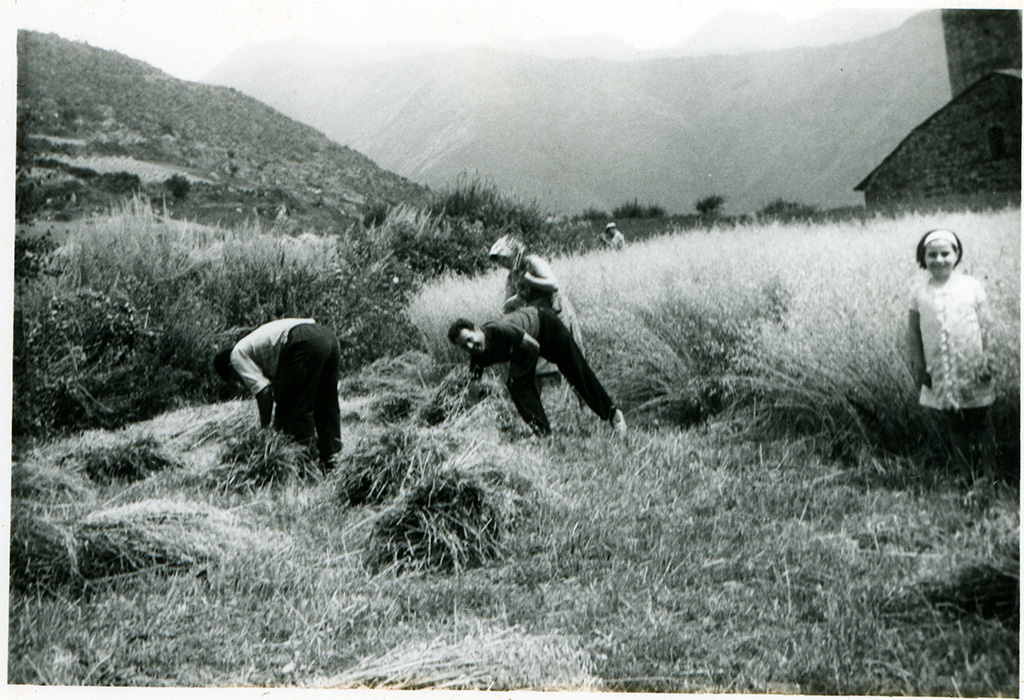
Sega
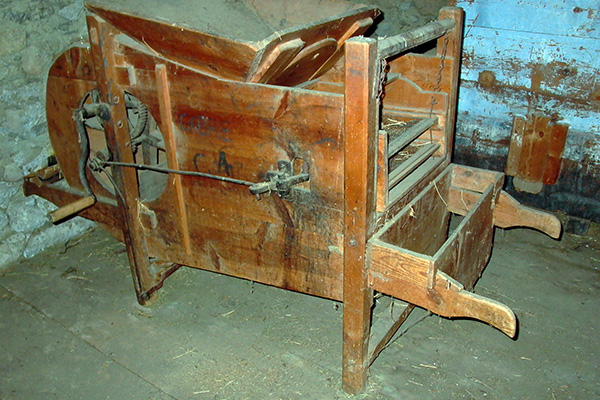
Ventador de Casa Cabré
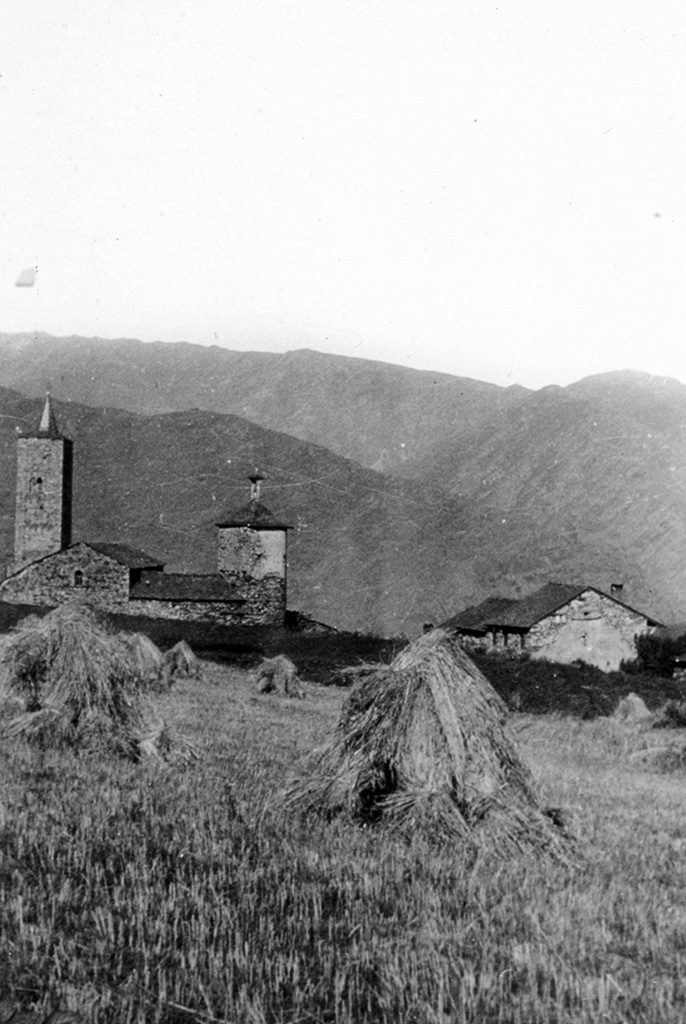
Son (1941). RVS-015
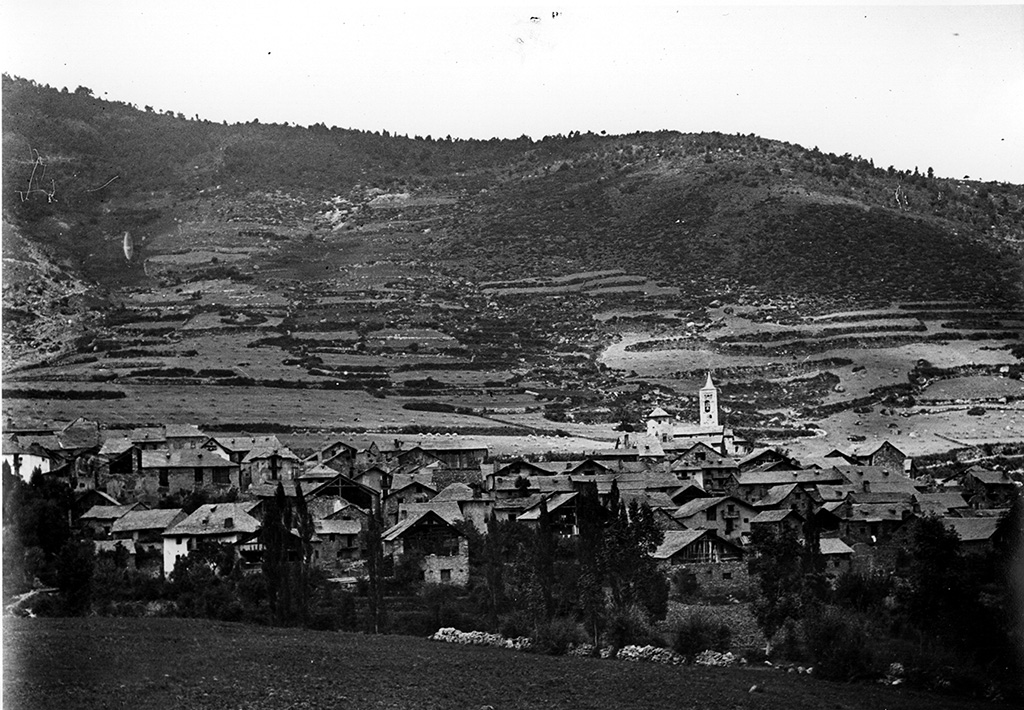
Poble de Son
The surrounding forests were managed through regular timber harvesting, providing income for the Town Council of Son and firewood for local homes. The finest logs were taken to the village sawmill, where they were transformed into beams and planks.
Life and the local economy were very different then. Through this winnowing machine, now no longer in use, we can understand how both the landscape and an entire way of life have changed and gradually disappeared.
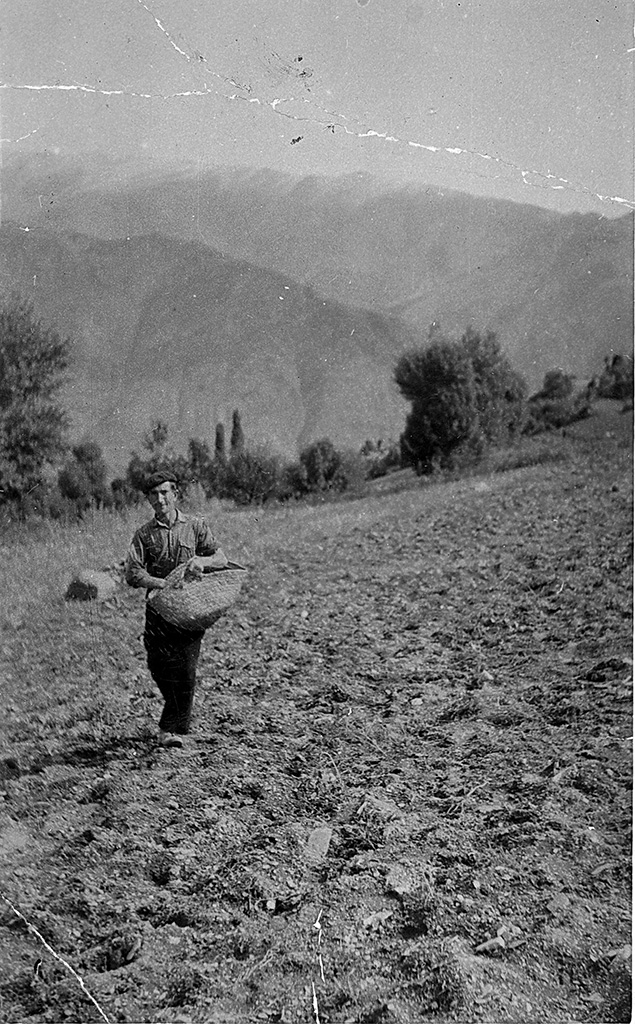
Sembra (Casa Cabirol)
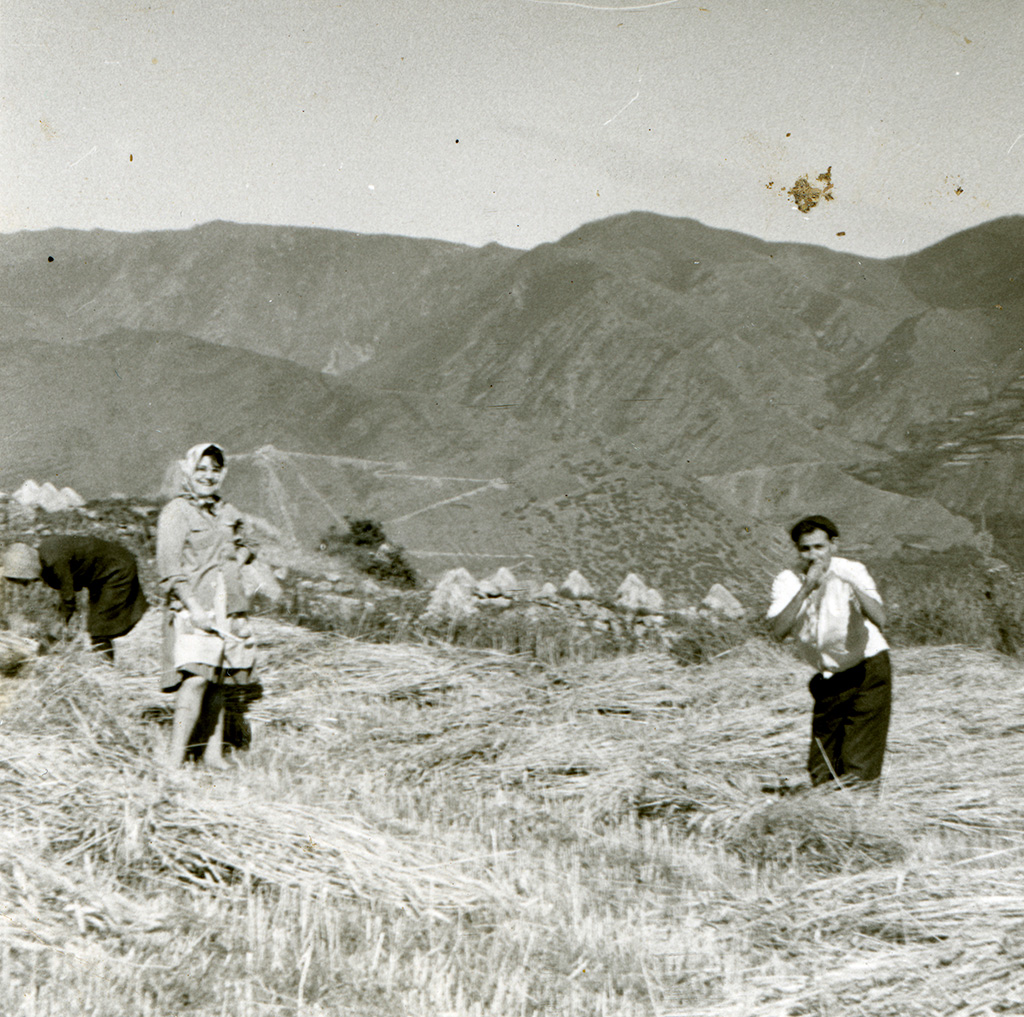
Sega
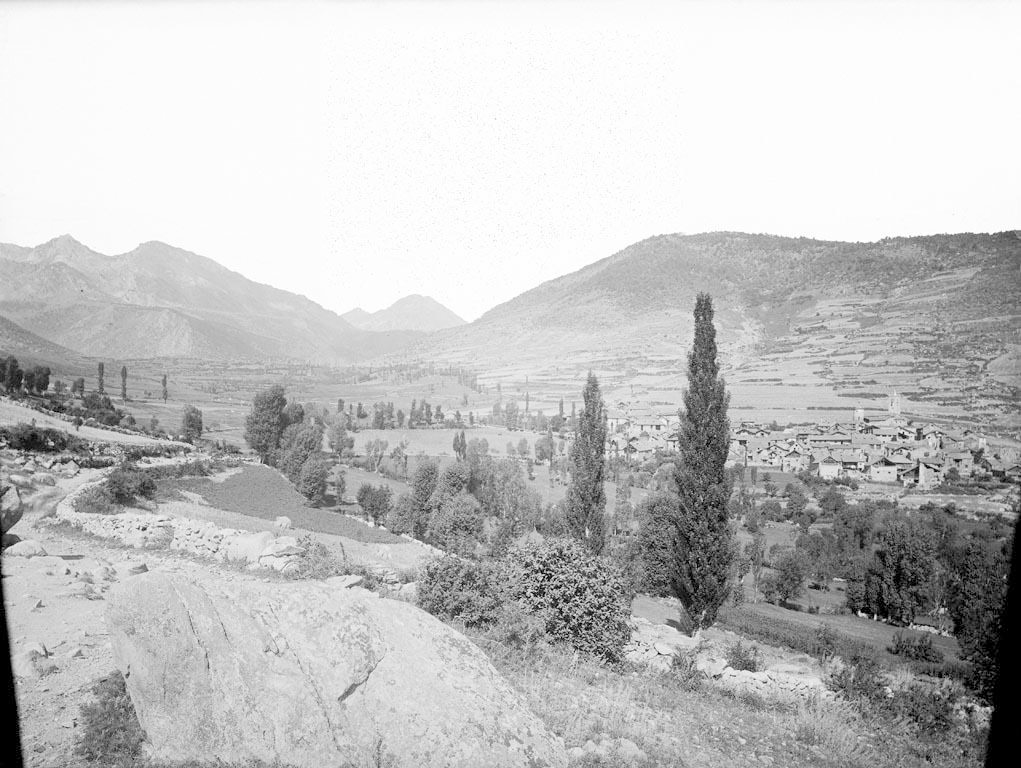
Poble de Son (1894) – LM Vidal
Guansa
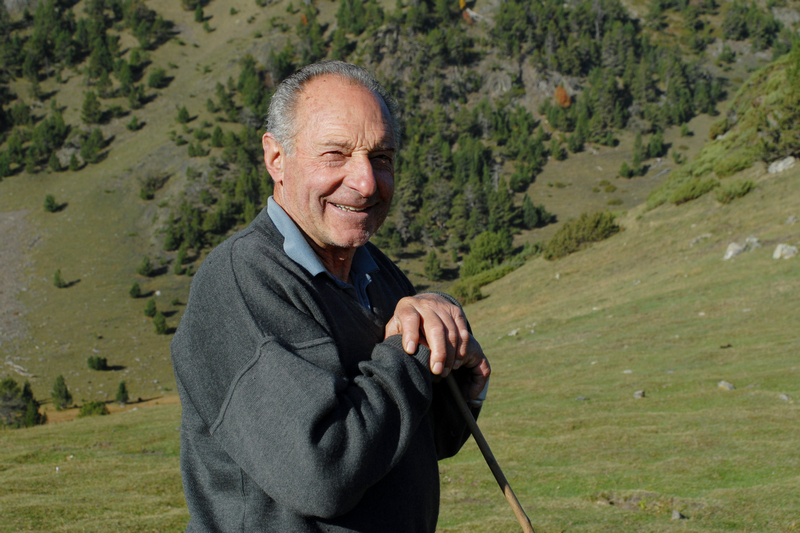
Voice of Joan Fayàs