
The hydraulic mills
In the medieval world of Valls d’Àneu, hydraulic mills were of special economic interest, given the need to grind grain; with wheat, barley and rye all being grown in Son. The miller’s trade was a particular speciality in the town of Son, given the steep slope of the Tinter River in almost the entire town on the side of the watercourse.
The sawmills
Also, the sawmills, present in many towns in these valleys, used hydraulic energy to cut the wood to make the planks and beams used in the construction of houses and sheds, as well as for internal separation walls and furniture.
Unfortunately, the Son sawmill was destroyed in a fire during the 1950s.
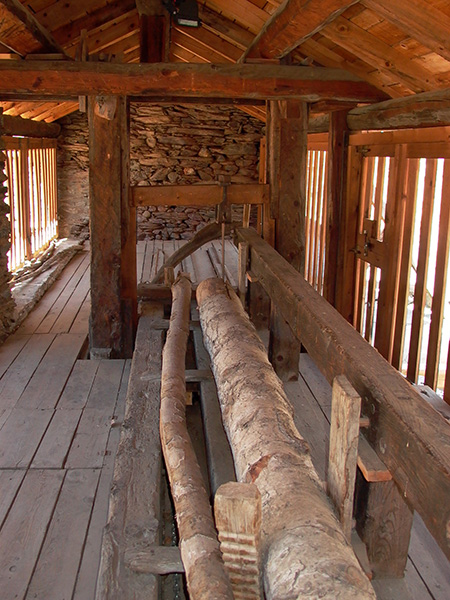
Alós d’Isil
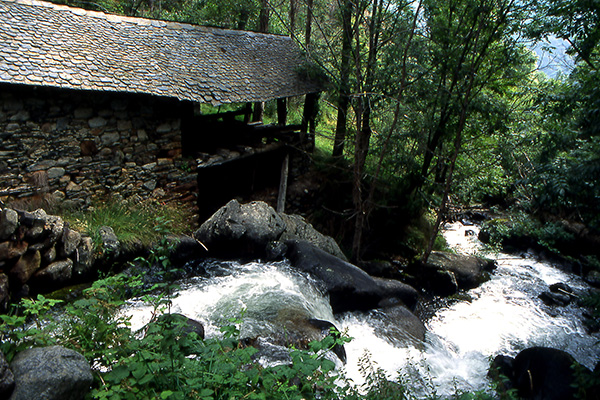
Àrreu (disappeared)
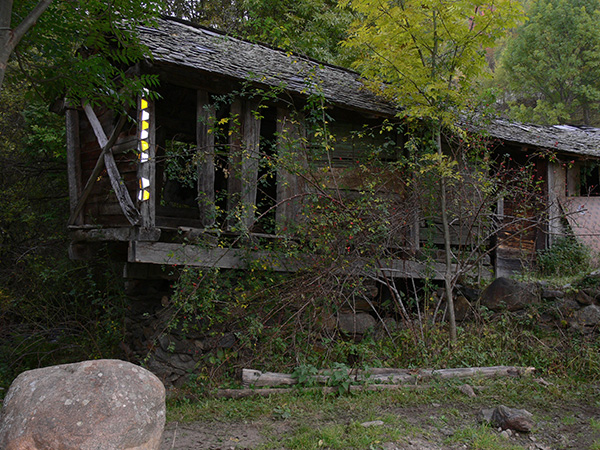
Aurós
The workshops
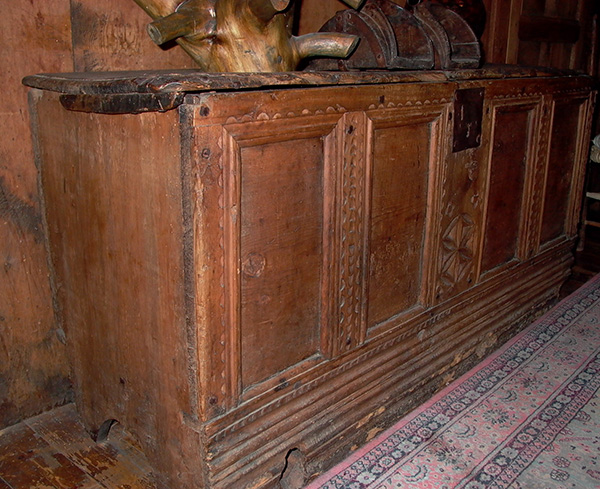
Arch
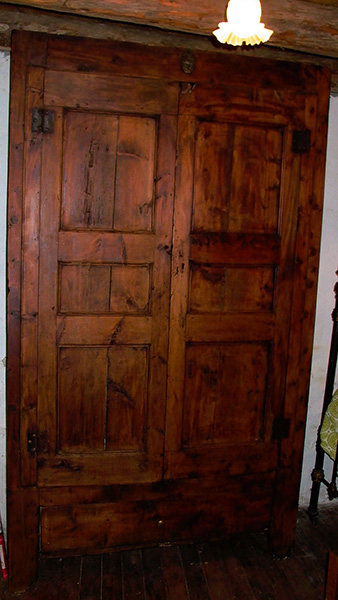
Wardrobe
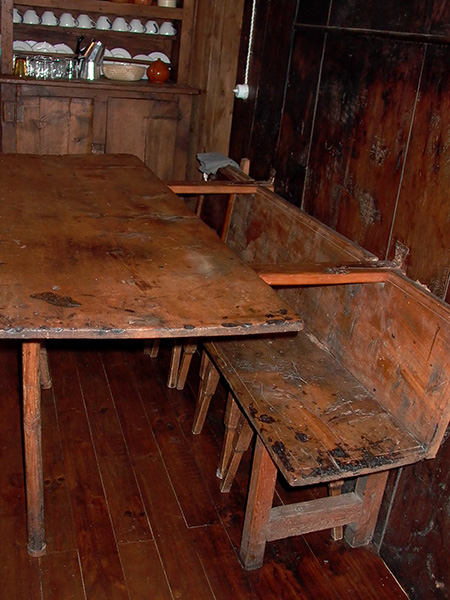
Folding table
The mills in Son
In the survey, “Capbreu de les Valls d’Àneu” of 1669, there were 4 mills in Son.
Until the middle of the 20th century, there were 2 mills existing in the town; La Mola Vella and the Molí de Montoliu.
Exceptionally in Son, a power plant from the 1960s is preserved, as well as a flour mill; both of which are in perfect working order (NOT OPEN TO VISITORS).
The Montoliu family has been the owner since 1962 and, thanks to the handover between generations and the extraordinary dedication to the maintenance of both the power plant and the mill, an example of the use of traditional hydraulic energy is preserved in Son.
Manolo de Montoliu, the last miller in Son: