The traditional Catalan Pyrenean house
The traditional Catalan Pyrenean house from the second half of the 20th century was a compact structure housing one family as a subsistence unit. For many years, each house was kept in the same name and property was passed on through a system of undivided inheritance that is no longer used today.
This system provided for a single «hereu» (male heir) or «pubilla» (a female who would inherit in the absence of a brother) as sole beneficiaries of the entire estate.
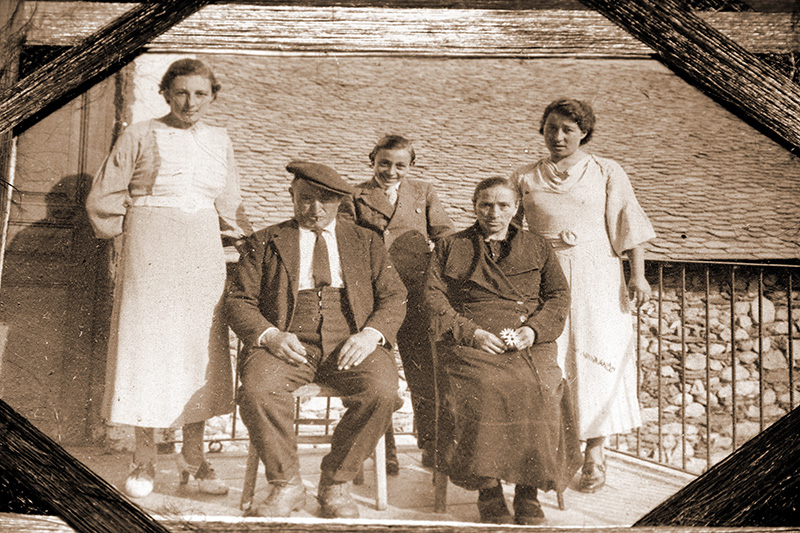
From left to right, Antònia Garrabé, Antonio Garrabé Taugis, Antonio Garrabé Ordi, Àngels Ordi and Maria Garrabé.
Casa Masover, 40’s
The image and structure of the towns
The image and structure of the towns has changed over the years, as the economy and traditional culture of the Valls d’Àneu has evolved. However, there are still outstanding examples of the large mansions that once dominated the town’s economy.
Structures such as the Casa Visa de Isavarre, Casa Ermengol de Sorpe and Casa el Tort d’Alós confer the characteristic image of the great mansions and lineages that dominated the Valls d’Àneu from medieval times until well into the 20th century.
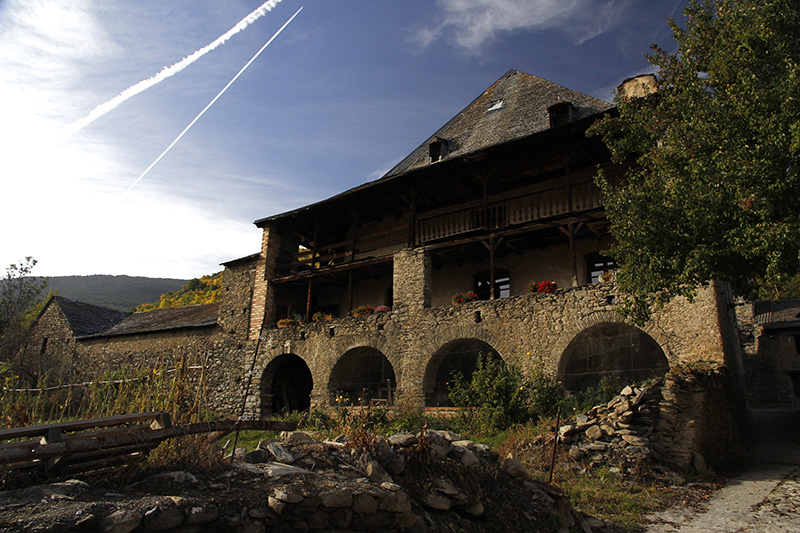
Ermengol house in Sorpe
The old Casa Arnaldo
In Son, the old Casa Arnaldo was located around the main square; while the currently preserved Casa Arnaldo dates from the 19th century. As an example, the convent of Santa María d’Àneu was burned in 1772 with all the papers to the property.
In 1774, the procurators of the provincial chapter sold the entire estate of Santa María d’Àneu to Francisco Especiar i Casau of Casa Arnaldo de Son. However, the same year the church building became part of the heritage of the Deganat d’Àneu deanery.
Other houses
Another predominant building was Casa Juclà, which is even mentioned in the Privilegis de les Valls d’Àneu from the 14th century.
While, of the Casa Garbilet, now gone, popular tradition has it that there were up to 10 workers looking after the house.
Entering the 20th century, the lure of higher paid work led to significant emigration from the poor houses to the capitals; marking the end of the traditional feudalism based on the mansion houses and cheap labour. The large medieval mansions and lineages gave way to the traditional Pyrenean houses that we see today based on family groups.
DID YOU KNOW …?
The arches in the square were actually support arches for the old House Danès (was dependent on House Arnaldo), now gone…
Traditional house in Son - 20th century
CASA BATISTÓ (NOT OPEN TO VISITORS)
This is a traditional Son house from the 20th century with its architectural structure preserved almost intact. Inside you can also see the original wooden walls as well as the traditional furniture.
Casa Batistó
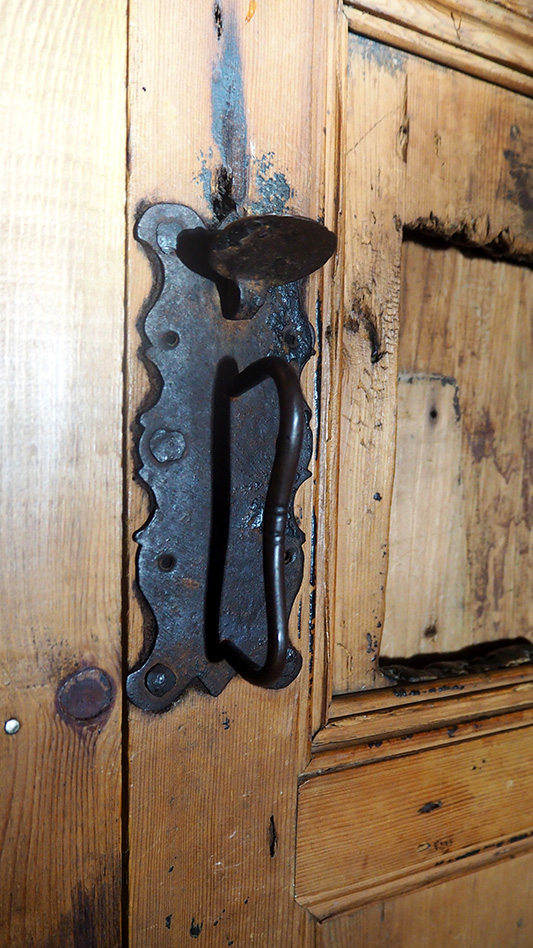
Pany
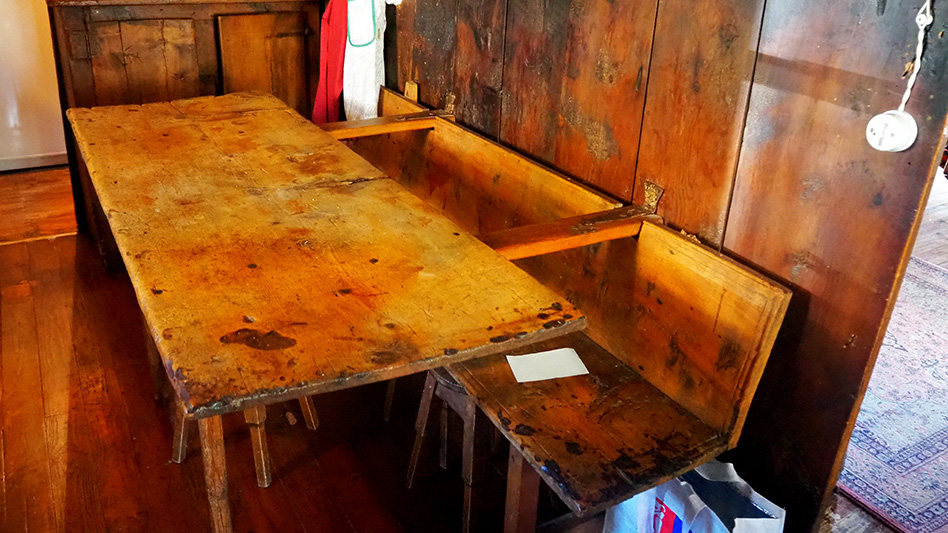
Taula plegable cuina
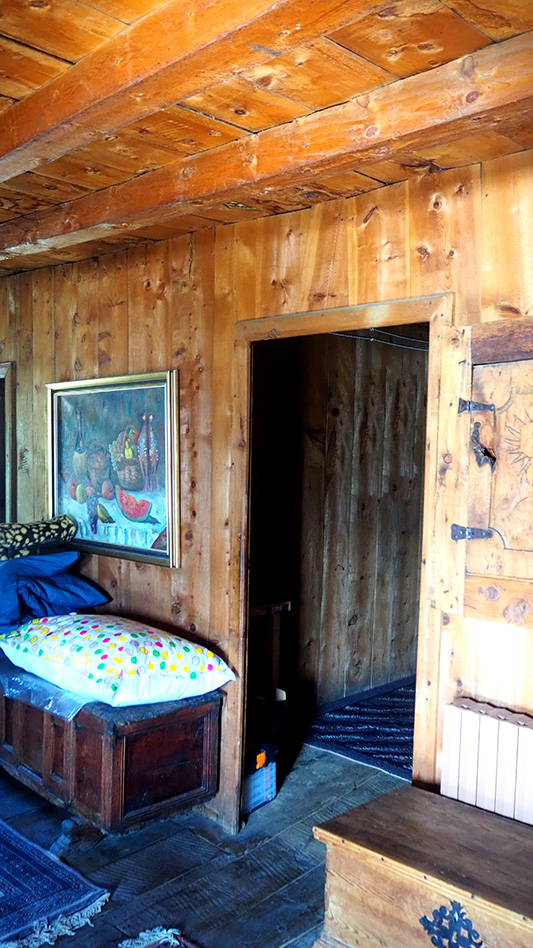
Primer pis
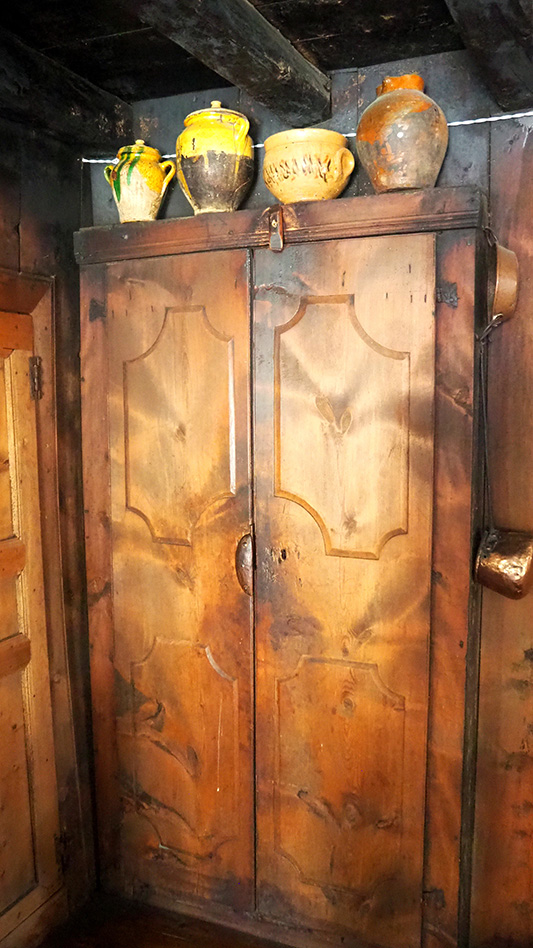
Armari
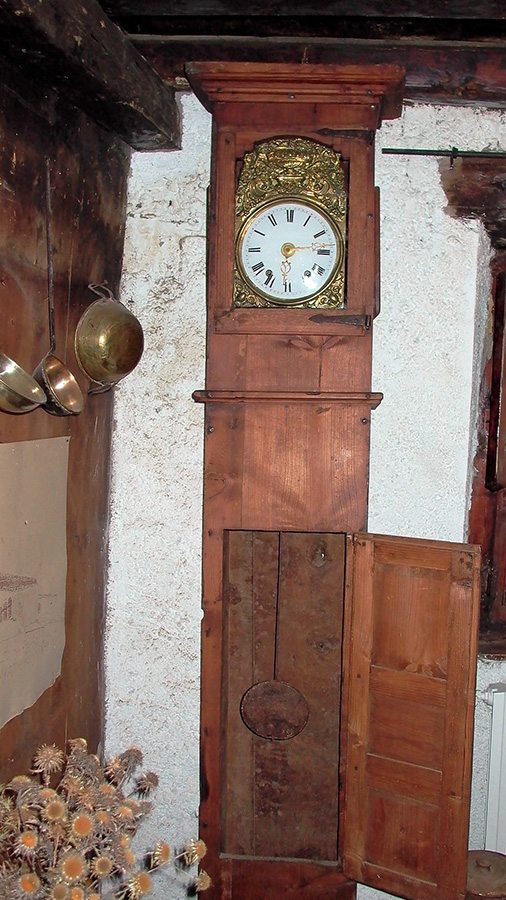
Rellotge paret
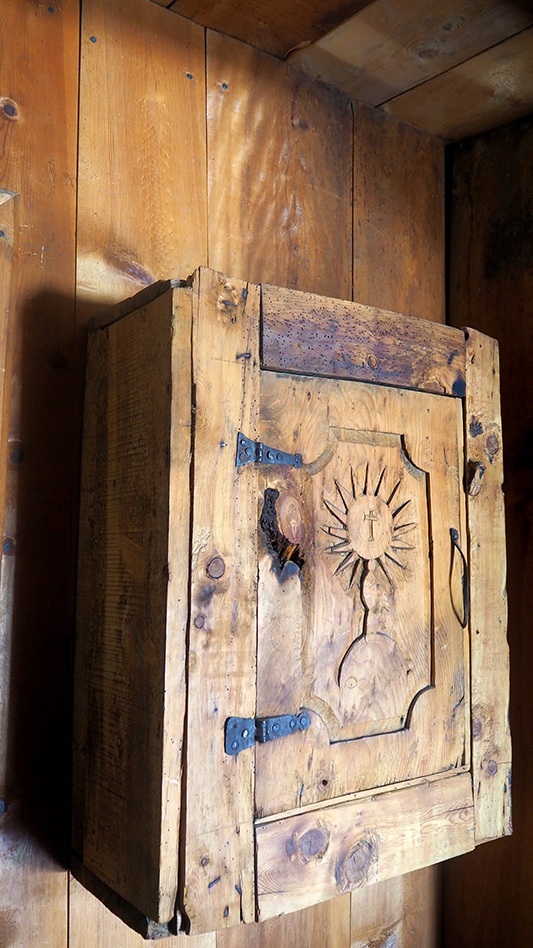
Moble de paret
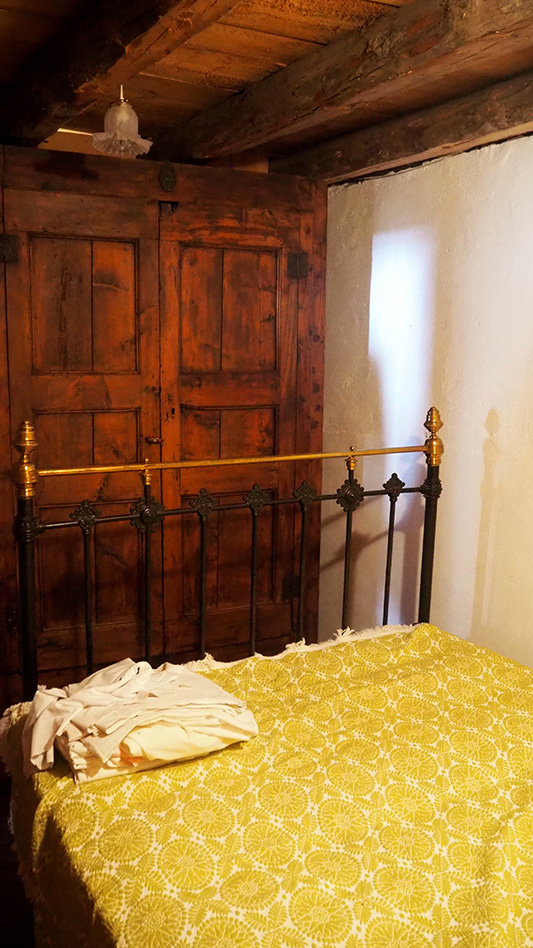
Cambra hereu
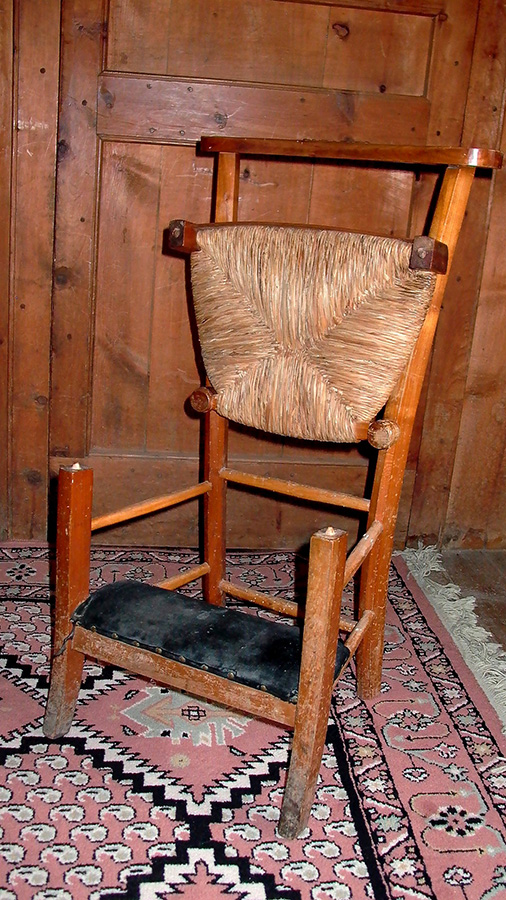
Reclinatori
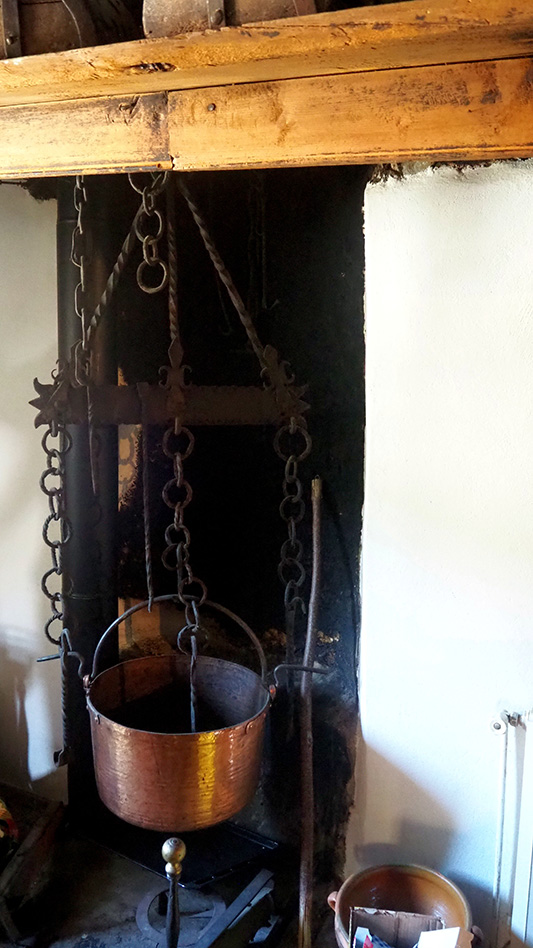
Foc a terra cuina
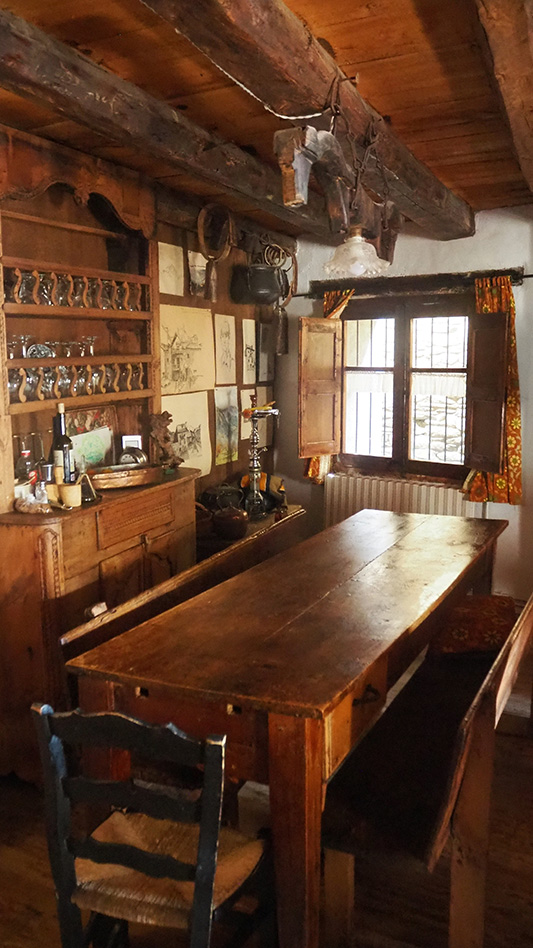
Menjador planta baixa
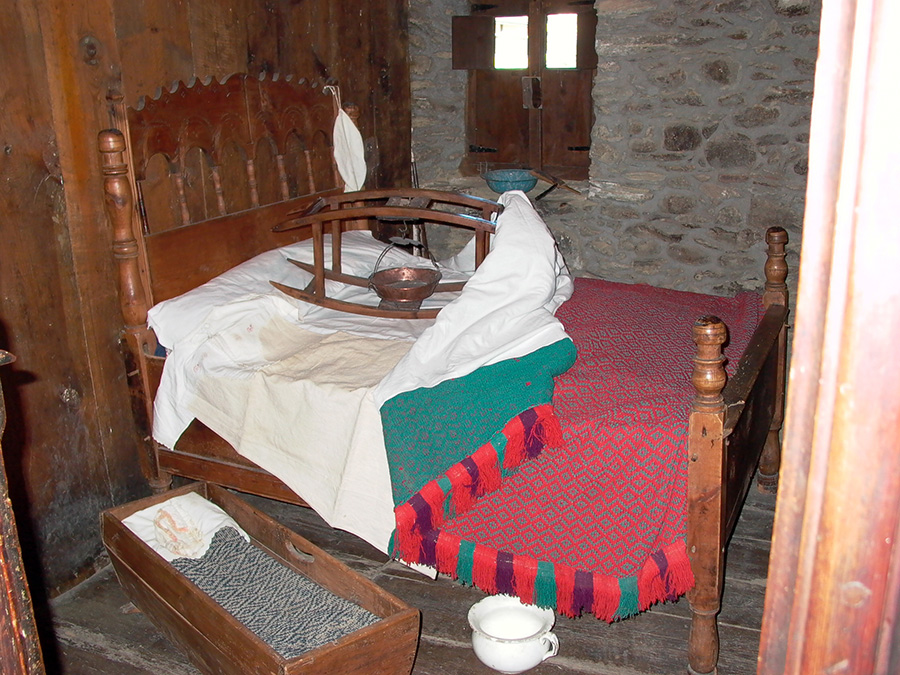
Cambra principal
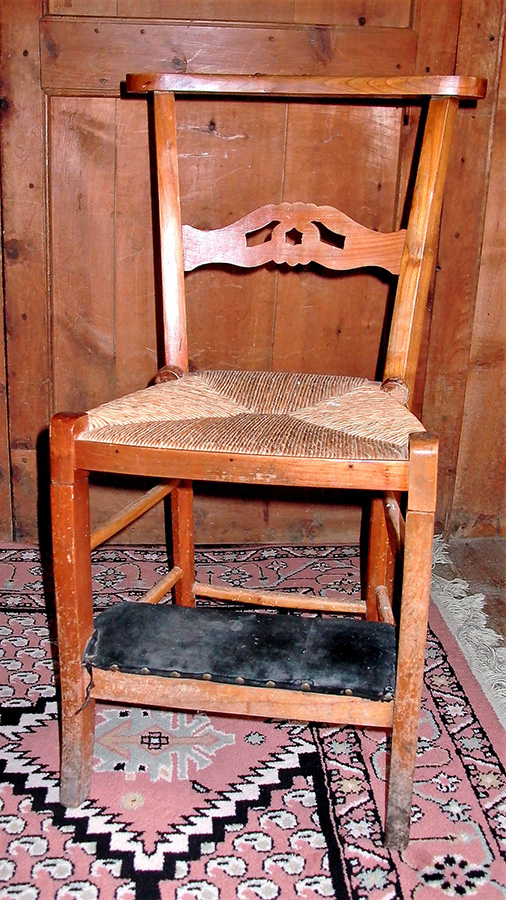
Cadira reclinatori
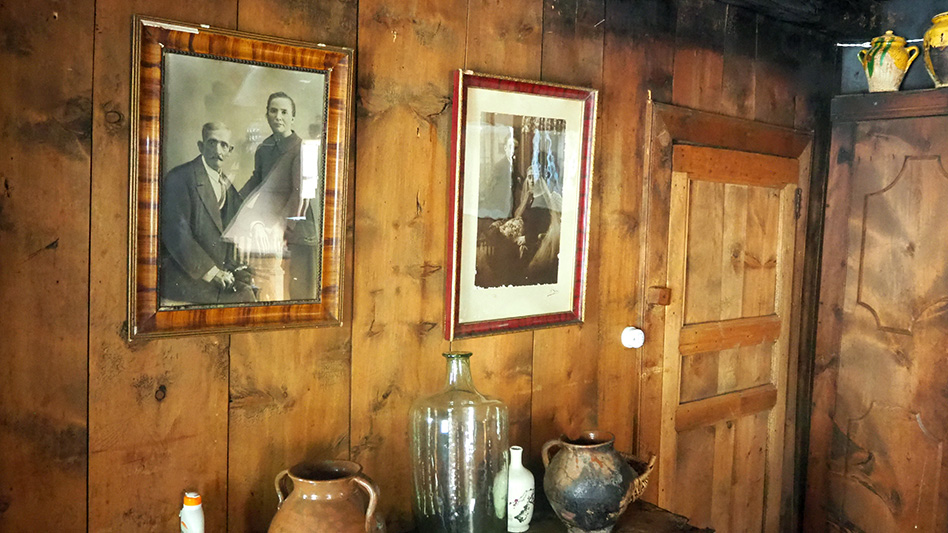
Retrats familiars
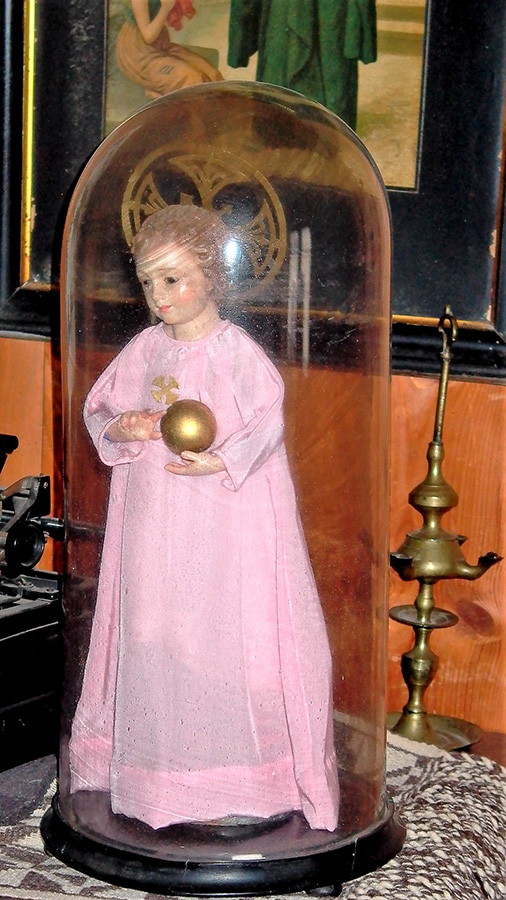
Sant
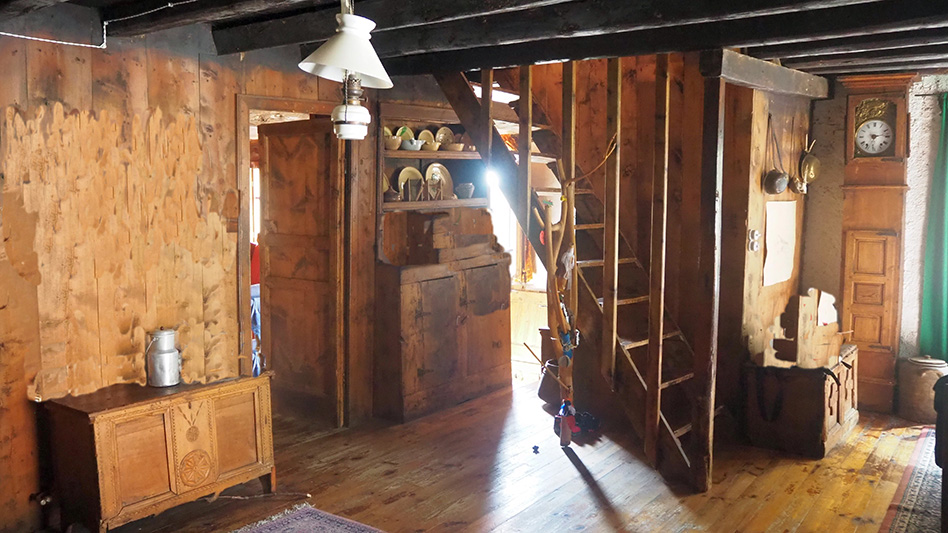
Entrada planta baixa amb escudeller
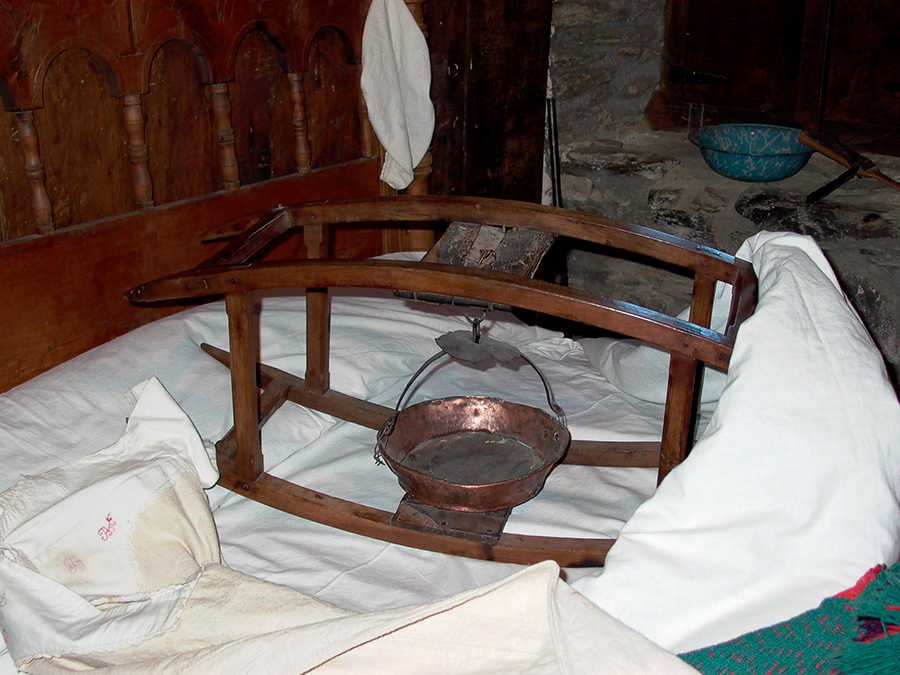
Escalfa llits
Casa Batistó furniture
Escallots